Privacy & delivery
What the courier actually knows about your parcel
The label, the handheld scanner and the person at the door each see something different. What a delivery driver can and cannot tell about an intimate order, and the five questions worth asking a store before you pay.
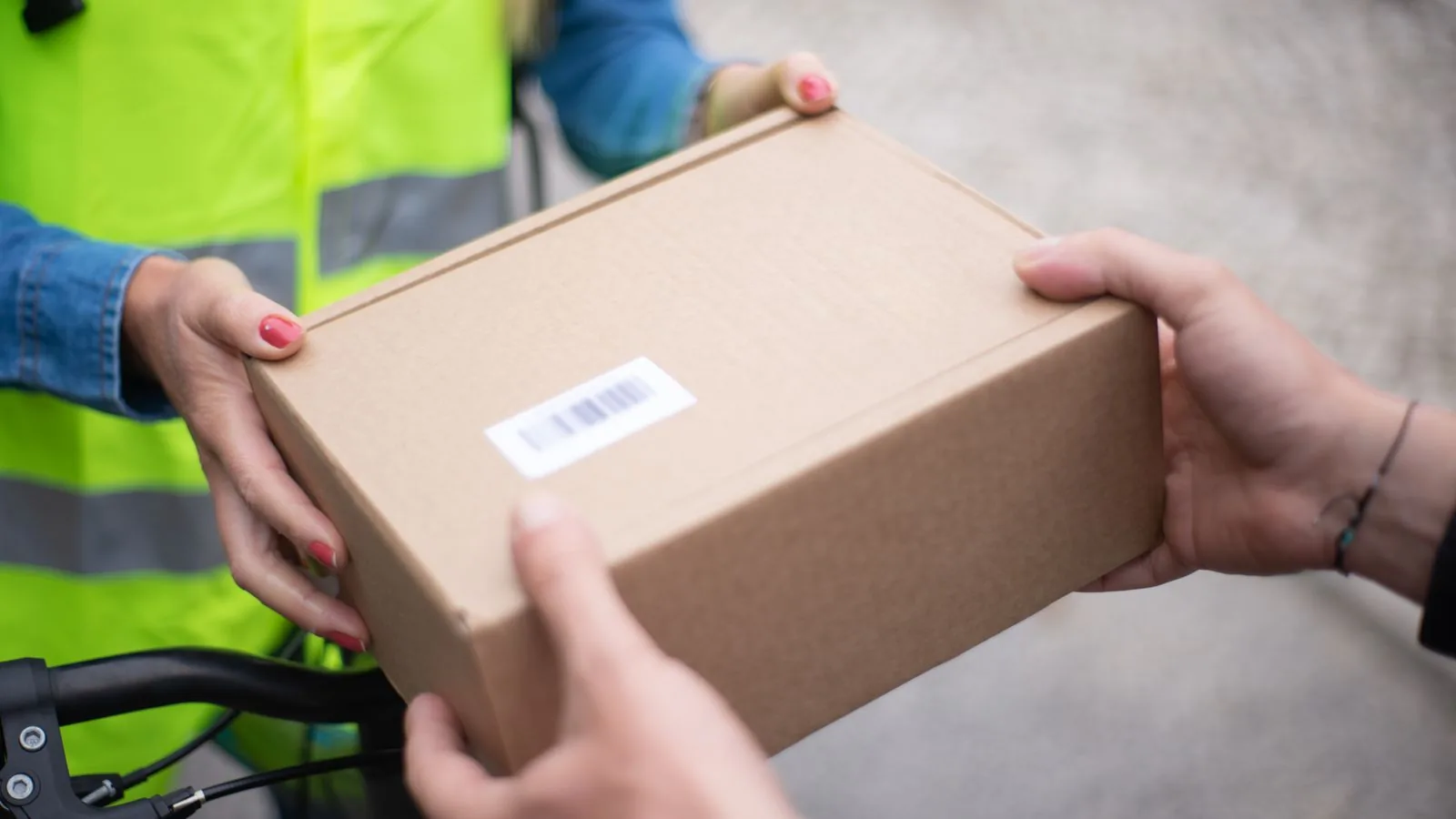
The short answer: a courier sees the sender name, your name, your phone number, the address, and the size and weight of the box. They do not see what is inside — unless the store printed it on the label, packed it in branded packaging, or put a product description into the shipping data. In most Gulf cities the bigger exposure is not the driver but the person who signs for the parcel at your building.
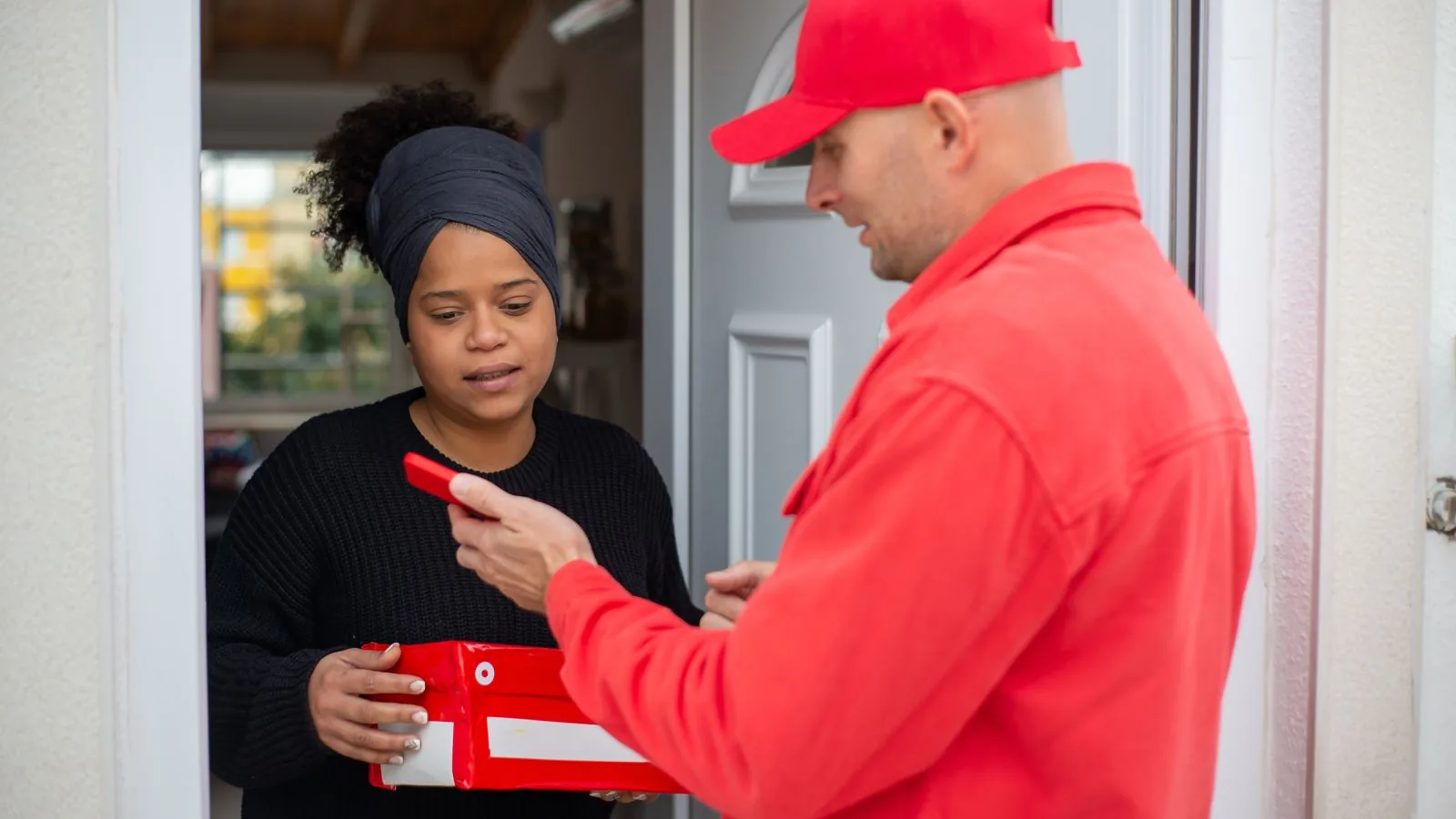
Three layers, not one
Most advice treats discretion as a single property of the box. It is really three separate channels, and a store can get one right while quietly failing the other two.
The label is created by the store and printed by the courier. It carries the sender name, your details and a barcode.
The handheld terminal reads that barcode and pulls the shipment record the store created. Whatever the store put into the shipment data travels with the parcel — to the warehouse, to the driver, and sometimes to customs.
The people are the driver, the security guard, the receptionist with the logbook, and whoever is at home when the doorbell rings.
A store claiming "100% discreet" is usually describing only the first layer.
What the label shows
- the sender name — the field that matters most
- your name and phone number
- the delivery address
- the weight, and sometimes the dimensions
- a barcode, plus a goods description on cross-border shipments
The sender name is the single field worth asking about in writing, because it is the one a neighbour, a guard or a family member can read at a glance. "Noura Trading" and the store's actual brand name create very different moments at the door. Ask what the field literally says, not whether it is "neutral".
What the scanner and the app show
Couriers across the UAE, Oman and Saudi Arabia mostly run on handheld terminals that read the label and load the shipment record the store created in its shipping integration. If that integration puts the product name into a description field, the text follows the parcel and is visible to warehouse staff and the driver.
Domestic orders shipped from local stock usually carry little more than a reference number. Cross-border orders are a different matter: they need a customs declaration, and that declaration describes the goods. This is the most common gap between what a store promises and what actually happens.
There is a second, less obvious channel: the notification. If the courier app writes the shipment description into a push notification or an SMS, the text appears on a lock screen in a meeting, on a kitchen counter, or in a car mount. It is worth asking whether notifications carry the store name or a neutral reference.
What the driver can infer
Weight, box size and the fact that this is the third delivery to the same flat this year. A dedicated fleet shows the store's branding on the van. Cash-on-delivery orders show an amount on the handheld, which tells a driver this is not a cheap accessory — but not what it is.
None of that is a privacy failure. A driver on your street will recognise your building; that is a relationship, not a leak. The failure is when the parcel announces itself before anyone opens their mouth.
The person who signs
In Dubai towers, Muscat compounds and Riyadh apartment blocks, the signature often comes from a security desk. Those desks keep handwritten logbooks — sender name, flat number, time — that stay visible for days.
If you share a villa with family, or a flat with people who are not your partner, the signing is the real risk and packaging is secondary. Our guide to ordering when you share an address covers the practical workarounds: branch collection, workplace delivery, and timing the window.
Five questions to ask before you pay
- What exactly will the sender name say on the label?
- Is any product name or category written into the shipping data or the customs description?
- Is there an invoice or packing slip on the outside of the box?
- Is this fulfilled from local stock or shipped in from abroad?
- Can it be held at a branch or sent to a pickup point instead of my door?
A store that answers the first two in writing is telling you it has a policy. A store that answers "don't worry, it's discreet" has told you it has a slogan.
Red flags worth taking seriously
- "100% discreet" with no detail about the label or the box
- the store's brand name in the SMS or push notification
- branded tape, or a box that fits the product suspiciously well
- cross-border delivery with no mention of a customs declaration
- the cash-on-delivery amount written on the outside of the parcel
Frequently asked questions
Does the delivery driver know what is in the box?
Usually not. The driver sees the label data, the weight and the delivery instructions. They learn the contents only if the store put a description into the shipment record, used branded packaging, or shipped cross-border with a visible declaration.
Will the courier say the store name when they call?
It depends on what the store wrote into the sender field, and on whether the call is made by a person or an automated system. Automated calls usually read the reference number rather than a brand name, which is one more reason the sender field matters.
Can I refuse to sign for a parcel?
Yes. Refusing delivery is normal, and with cash on delivery you have not paid yet, so refusing costs you nothing. For prepaid orders, check the store's policy on refused deliveries before you order, since some charge for the return leg.
Does cash on delivery tell the driver anything extra?
It tells them the amount due. That reveals roughly what category of goods you bought, but not the product. The larger privacy advantage of cash on delivery is elsewhere: no merchant name appears on your card statement. Our cash on delivery guide covers that side of it.
What if someone else at home signs for it?
That is the most common exposure, and it happens after the courier hands the parcel over. Ask for branch collection or a pickup point, or arrange a delivery window when you are the one at the door. The discreet shipping explainer lists what each of the three layers should look like.
Reading from another market? United Arab Emirates Oman Saudi Arabia
Reviewed against published clinical guidance. See our editorial standards.
Keep reading
Privacy & delivery
Discreet shipping in the Gulf: what the box, the label and the courier actually show
Discretion is three separate things: the outer packaging, the sender name on the label, and what the courier knows. Here is what each one should look like when you order in the UAE, Oman, Saudi Arabia, Qatar, Kuwait or Bahrain.
Privacy & delivery
Cash on delivery in the Gulf: what it changes, and how to use it well
Cash on delivery is the default payment method for intimate products in the UAE, Oman, Saudi Arabia and the wider Gulf. Here is what it protects, what it does not, and the practical details that decide whether a COD order goes smoothly.

Privacy & delivery
Ordering when you share a flat, a villa or a family home
How to receive a private parcel when you are not the only person at the address: delivery windows, pickup points, neutral sender names, and the small logistics that stop a private order becoming a conversation.