Privacy & delivery
Cash on delivery in the Gulf: what it changes, and how to use it well
Cash on delivery is the default payment method for intimate products in the UAE, Oman, Saudi Arabia and the wider Gulf. Here is what it protects, what it does not, and the practical details that decide whether a COD order goes smoothly.
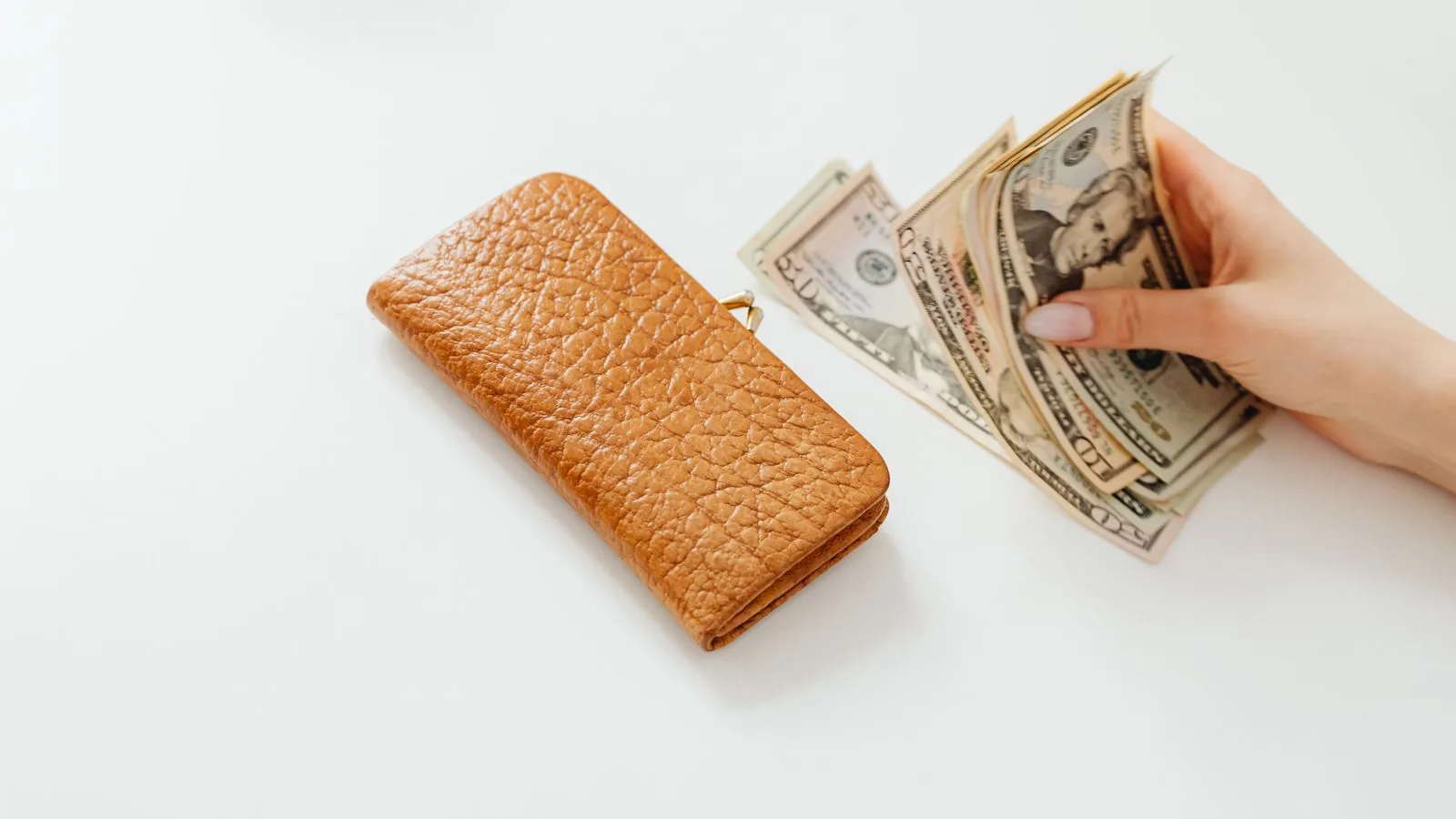
The short answer: cash on delivery means the transaction never appears on a card or bank statement, you pay only when the parcel is in your hand, and you can refuse a damaged or opened box before paying. The cost is that you need exact cash ready, the courier may not carry change, and a missed delivery becomes a second attempt or a return.

What cash on delivery actually protects
Three things, and it is worth being precise about them because people often assume it does more.
It keeps the purchase off your statement. Card payments produce a merchant descriptor that appears on your bank statement and in your banking app. For many people that descriptor, not the packaging, is the real exposure — a shared account or a family card makes any unusual line item visible. Cash on delivery removes that layer completely.
It shifts payment until after inspection. You pay at the door. If the box is torn, taped over, or clearly not what you ordered, you can refuse it and pay nothing. With a card payment you would be chasing a refund instead.
It removes the need for stored payment details. No card on file with a retailer you may not order from again.
What it does not protect
It does not affect the packaging or the sender name on the label. A parcel paid in cash is exactly as visible as one paid by card. If the label carries the store's trading name, cash does not help. See what the box and label actually show.
It also does not make the order anonymous. The courier has your name, number and address. This is a payment method, not an identity tool.
The practical details that decide the outcome
- Exact amount in local currency. Couriers rarely carry more than small change, and in the Gulf many prefer the exact figure. Keep the amount ready in rials, dirhams or riyals.
- Confirm the city is covered. Some stores advertise nationwide cash on delivery and quietly restrict it to major cities. Check your governorate or emirate at checkout.
- A phone number that will be answered. The delivery is scheduled by phone. A number that goes to voicemail adds a day.
- A delivery window you will be present for. Refusing a parcel because someone else was home is avoidable.
- Ask about the return route. Cash on delivery orders have no card to refund to, so a refund usually means a bank transfer or store credit. Ask which, before you order.
COD versus paying by card
| Cash on delivery | Card | |
|---|---|---|
| Appears on bank statement | No | Yes, with a merchant descriptor |
| Can refuse at the door | Yes | No |
| Needs exact cash ready | Yes | No |
| Chargeback option if faulty | No — negotiate with the store | Yes |
| Speed at checkout | Slower | Faster |
For a first order from a new store, cash on delivery is the lower-risk option. Once you trust a store, a card is faster and gives you a stronger dispute route if something goes wrong. That is the honest trade-off, and it cuts both ways.
Regional variations worth knowing
UAE. Cash on delivery is standard across the Emirates and is offered by essentially every store in this category. Delivery windows are usually two to five working days.
Oman. Cash on delivery in Omani rials is standard, and free nationwide delivery is common. Orders are typically processed within a day and arrive in two to seven working days — see the Oman ordering guide.
Saudi Arabia. Cash on delivery is widely available, usually with a working-day window rather than a fixed slot. Confirm that your city is included, since coverage varies more than in the UAE.
Qatar, Kuwait and Bahrain. Availability is good but store coverage is thinner than in the three larger markets, so check delivery terms before choosing a product.
When cash on delivery is the wrong choice
- The store is outside the region and the parcel crosses customs. Cash on delivery is usually unavailable, and the import question is the real issue.
- You are ordering a high-value item and want a chargeback route. A card gives you dispute rights that cash does not.
- You cannot be at the address at any point in the delivery window. A repeated failed delivery often ends as a cancelled order.
Frequently asked questions
Does cash on delivery show up anywhere?
There is no card transaction, so nothing appears on a bank statement or in a banking app. The store still has your name, phone number and address, and the courier has them for the duration of the delivery.
Can I refuse a parcel at the door?
Yes, and with cash on delivery it is the cleanest resolution for a damaged or opened box: you have not paid. Report it to the store the same day so the return is logged.
Do I need exact change?
It is strongly advisable. Couriers in the region typically carry limited change, and an inability to break a large note can delay the delivery to another day.
Is cash on delivery available for international orders?
Rarely. It is a domestic fulfilment method. If a store offers cash on delivery, that is usually a reliable signal that it holds stock inside the country.
Reading from another market? United Arab Emirates Oman Saudi Arabia
Reviewed against published clinical guidance. See our editorial standards.
Keep reading
Privacy & delivery
Discreet shipping in the Gulf: what the box, the label and the courier actually show
Discretion is three separate things: the outer packaging, the sender name on the label, and what the courier knows. Here is what each one should look like when you order in the UAE, Oman, Saudi Arabia, Qatar, Kuwait or Bahrain.

Privacy & delivery
Ordering when you share a flat, a villa or a family home
How to receive a private parcel when you are not the only person at the address: delivery windows, pickup points, neutral sender names, and the small logistics that stop a private order becoming a conversation.

Buying guides · Saudi Arabia
Shopping for intimate wellness products in Saudi Arabia: what to check in 2026
A practical guide for readers in Riyadh, Jeddah and the Eastern Province: how to judge a local store, what cash on delivery changes, how to keep an order private in a family home, and which materials are worth paying for.