Privacy & delivery
Discreet shipping in the Gulf: what the box, the label and the courier actually show
Discretion is three separate things: the outer packaging, the sender name on the label, and what the courier knows. Here is what each one should look like when you order in the UAE, Oman, Saudi Arabia, Qatar, Kuwait or Bahrain.

The short answer: "discreet packaging" usually means only that the outer box has no product name. Real discretion has three parts — an unmarked outer box, a neutral sender name on the shipping label, and a store that does not describe the contents to the courier or on any document stuck to the parcel. Ask about all three, not the first.
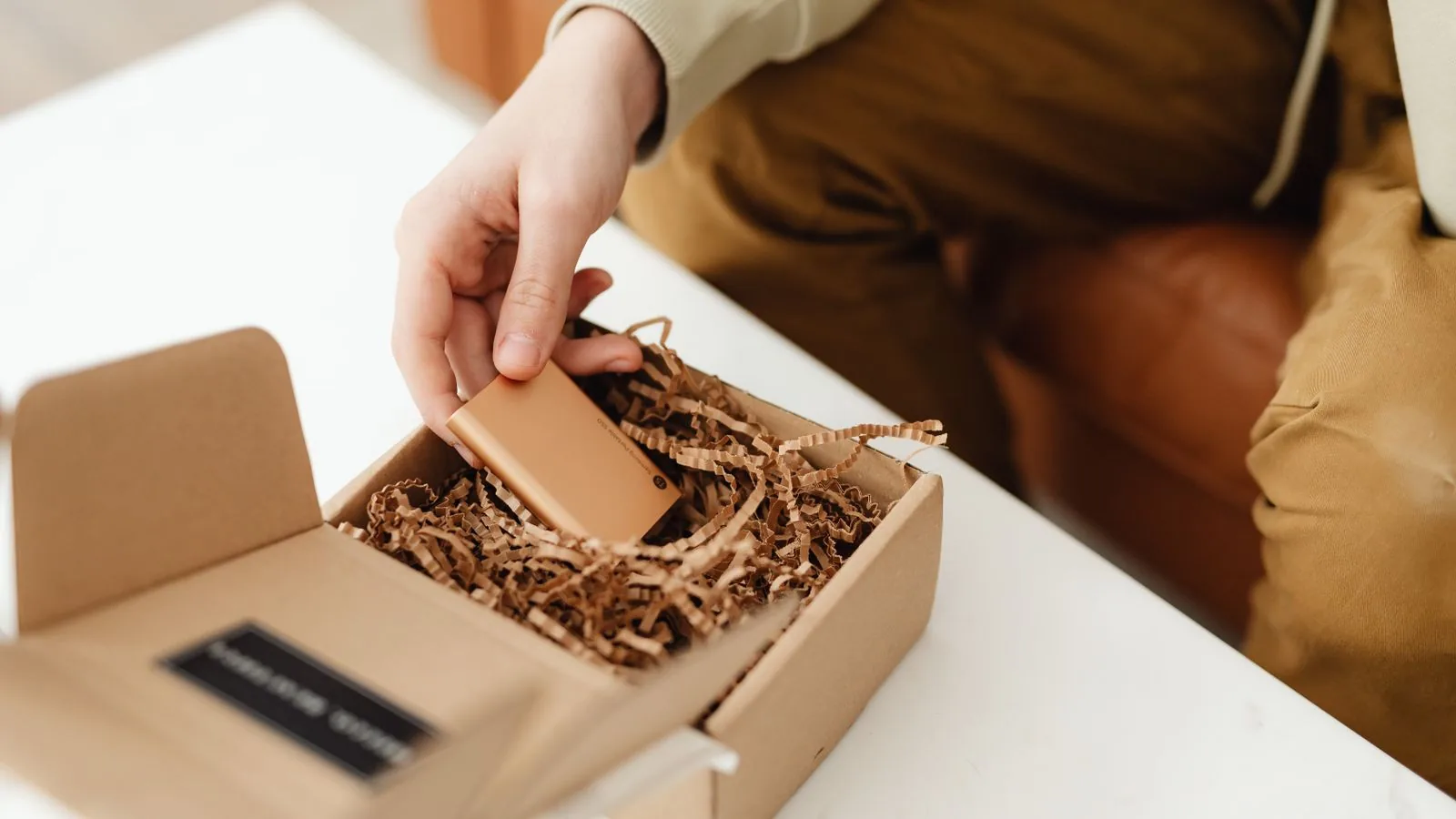
The three layers, and which one stores skip
Layer one: the box. No product name, no store branding, no printed invoice on the outside. This is the layer every store advertises, and it is the easiest to get right. It is also the least important on its own, because a courier does not read the box.
Layer two: the label. The airway bill carries a sender name and a phone number. If that sender name is the store's trading name, a curious neighbour or a receptionist glancing at the parcel learns more than they would from the box. A neutral sender name — usually a generic trading or logistics entity — is what closes this gap. It is the single check most worth making, and the one most often missing.
Layer three: the documents. Customs paperwork on cross-border parcels describes goods in a category. Domestic shipments usually have no such declaration. If a parcel crosses a border, the description exists whether or not the label is neutral, which is a good reason to prefer sellers holding local stock.
What the courier knows
In practice, delivery staff know a name, a phone number, an address and a weight. They handle hundreds of parcels a day and do not inspect contents. Some stores go further and use a dedicated logistics partner whose staff only ever see anonymised orders.
What a courier can inadvertently reveal is timing and packaging size. A call asking "your parcel is downstairs" in a shared villa invites a question that a plain box does not. That is a scheduling problem, not a packaging problem, and it is the one you can actually control: choose the delivery window, or send it to a work address.
What to ask a store before ordering
Five questions, all answerable in a chat message:
- Does the outer packaging carry any product name or store branding?
- What sender name appears on the shipping label?
- Is an invoice or packing slip included on the outside of the parcel?
- Is the order shipped from stock inside the country, or from abroad?
- Are contents described to the courier or on any document attached to the parcel?
A store that answers all five in one reply has thought about it. A store that answers "yes we do discreet packaging" has answered a different question.
The bits people forget
- Phone notifications. Courier apps and SMS alerts often carry the sender name. Check the sender field on the first message, not in the moment.
- Bank statements. Card payments show a merchant descriptor. This is the layer cash on delivery removes entirely — see cash on delivery in the Gulf.
- Reception and building security. In a tower with a concierge, the parcel is logged by sender name. A neutral sender is the difference between a normal parcel and a conversation.
- Family members signing for you. If someone else can accept the delivery, they can read the label. That is the argument for the pickup point.
- Returns. A return shipment is a parcel going the other way, with the same disclosure problem. Check the return process before you need it.
Red flags in a store's privacy claims
- "100% discreet" with no detail on the label or the sender.
- Only mentioning packaging, never the sender name.
- Asking you to confirm the contents in a chat message that includes an invoice number.
- Shipping from abroad on a product page that implies local stock — check the delivery estimate, which gives it away.
- No shipping policy page at all, only a WhatsApp number.
A realistic standard
For a domestic order in the Gulf, this is what good looks like: an unmarked outer box, a neutral sender name, no external invoice, delivery in a stated working-day window, and payment on delivery. If a store meets those, the privacy question is largely answered. If it meets two of them, ask why not the others.
For the specifics of what the courier hands over and when you pay, our privacy and delivery section covers each market. Readers in Oman may also want the note on Arabic-language storefronts in the Oman ordering guide.
Frequently asked questions
Is "discreet packaging" enough?
Not on its own. It describes the box only. Ask separately about the sender name on the label and whether any document on the parcel describes the contents.
Will the courier know what I ordered?
Delivery staff typically see a name, number, address and weight, not the contents. Some stores route this category through logistics partners who only see anonymised order data.
Does cash on delivery make the order more private?
It removes the card statement entry, which is the layer a bank sees. It does not affect packaging or the label, so it complements discretion rather than replacing it.
What if I am not home when the courier arrives?
Ask for a delivery note or a specific window, or use a pickup point where available. A parcel handed to a neighbour or a security desk is the most common way a private order becomes visible.
Reading from another market? United Arab Emirates Oman Saudi Arabia
Reviewed against published clinical guidance. See our editorial standards.
Keep reading
Privacy & delivery
Cash on delivery in the Gulf: what it changes, and how to use it well
Cash on delivery is the default payment method for intimate products in the UAE, Oman, Saudi Arabia and the wider Gulf. Here is what it protects, what it does not, and the practical details that decide whether a COD order goes smoothly.

Privacy & delivery
Ordering when you share a flat, a villa or a family home
How to receive a private parcel when you are not the only person at the address: delivery windows, pickup points, neutral sender names, and the small logistics that stop a private order becoming a conversation.

Buying guides · Oman
Ordering intimate products in Oman: a discreet, practical guide
How ordering works in Oman in practice: Arabic-language storefronts, cash on delivery in Omani rials, free nationwide delivery times, neutral sender names, and the checks worth making before you buy.